

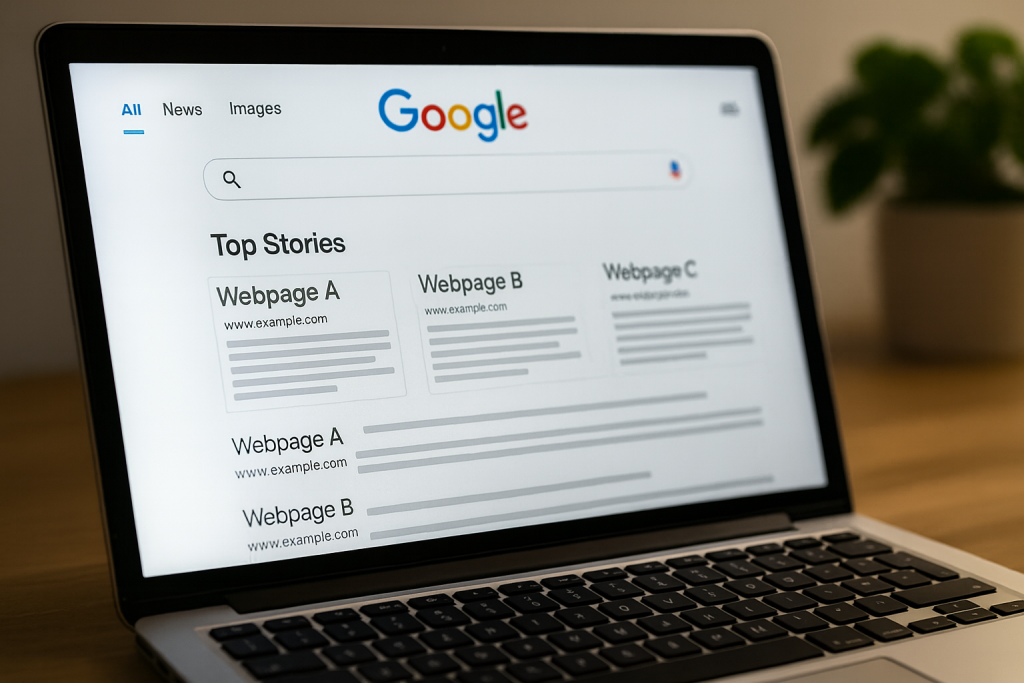
Search used to feel simple. You publish content, earn links, and hope Google rewards you with visibility. Now there is a new layer sitting between you and the user. Google Preferred Sources: If people can tell Google which publishers they want to see more often, and Google is cutting AI deals with select partners, your organic SEO plan has to adjust.
Google has already rolled Preferred Sources out globally for English users. People can pick favorite news sites in Top Stories and see them more often when those sites publish something relevant. At the same time, Google is testing AI powered features and partnerships with major publishers, including AI article overviews in Google News and highlighted subscription content.
So the question is simple. In a world where users and Google both choose their preferred sources, how does your brand stay visible.
What Is Google Preferred Sources
Google Preferred Sources started as a customization tool for news. Users search for a topic, open Top Stories, and then select which publishers they want to see more often. Over time, those choices influence which stories show up more prominently for that user, as long as the content is fresh and relevant to the query.
That sounds small, but notice the shift. Instead of Google only using its own ranking systems, it is now layering in user preferences for certain domains. Google Preferred Sources effectively lets people hand Google a shortlist of the brands they trust.
Google is also expanding the idea into AI contexts. The same announcement that described Preferred Sources mentioned pilot AI partnerships with major publishers, where Google tests AI generated article overviews and enhanced placement for subscription content.
For now, most of that is focused on news and large media companies. But the direction is clear. Google is building a world where some sites are explicitly preferred, both by users and by the platform itself.
Why Google Preferred Sources Matters For Organic Visibility
Here is the point. Even if your site will never be in the same category as a national newspaper, the logic behind Google Preferred Sources still affects you.
First, user behavior is changing. People are getting more comfortable telling systems which brands they want to see more often. That happens inside Google, inside social feeds, and inside AI tools. Once users get used to choosing preferred sources, they become more selective everywhere else too. If your brand never shows enough value to get picked, you slide into the noise.
Second, AI layers on top of search are growing fast. AI Overviews and AI Mode already synthesize information from multiple sites into a single answer box, with citations. When Google Preferred Sources and AI partnerships sit next to that, you end up with a stack where:
- Some domains are explicitly favored by users
- Some publishers have direct AI integrations
- All other domains compete for whatever attention is left
Third, regulators are watching how Google uses publisher content in AI features, but the direction of travel is still toward more AI summaries, not fewer. That means more answers appear above your organic result, and the brands that get cited or highlighted gain even more leverage.
If your organic SEO strategy only chases keyword rankings without caring how your brand is perceived as a source, you are playing half the game.
How To Position Your Brand For Google Preferred Sources
You probably cannot call Google and ask to be slotted into Google Preferred Sources. But you can act as if the system is already rating you as a source every day, which it is.
Start with authority in your niche. Google Preferred Sources is starting with news because it is easy to understand there. Users know which outlets they trust. In your world, the same idea applies. Does your site look and feel like a primary source on your topics, or just another blog.
That means:
- Clear topical focus instead of writing about everything
- Original research, data, or insight where you can provide it
- Visible expertise, authorship, and trust signals on key pages
Next, think about how your content feeds into AI systems. Even if you are not part of a formal AI partnership, AI features still pull from the open web. Google has said that AI summaries cite a mix of sources and that it is trying to provide more in-line links so users can see where answers come from.
Google Preferred Sources in this context means you want to be the site that an AI system feels good about citing. That pushes you toward:
- Clean structure and headings that make your arguments easy to quote
- Factual clarity and alignment with trusted references
- Up to date pages that match current search intent, not last year’s questions
Finally, remember the user side of Preferred Sources. Even if your content will not appear in Top Stories, people still choose favorites mentally. If your brand consistently gives them clear, practical answers, they will look for your domain by name in results. That is a quiet form of being a preferred source, even without a badge.
Building An Organic SEO Plan For The Preferred Sources Era
So what does this look like when you sit down to plan next quarter.
One useful approach is to map your current footprint by topic, not by keyword alone. For each topic that matters to your business, ask three questions.
Are we publishing anything truly original on this topic, or just rewrites of what everyone else says. Would a careful reader consider us a go to site for this, or just one of many. If an AI or a human had to pick three sources to summarize this space, would we make the cut.
If the answers feel shaky, that is where your organic SEO work should focus. Sometimes the fix is deeper content. Sometimes it is better structure, E E A T signals, or fresh data. Sometimes it is consolidating thin pages into a stronger hub that looks like an obvious candidate when Google Preferred Sources style systems decide who to surface.
You will still care about classic metrics like rankings and organic clicks. Those do not go away. But you also start watching soft signals that matter for source level trust. Mentions, citations, branded search growth, and how often your pages appear in AI fueled experiences.
If you want help building that kind of plan instead of just publishing more of the same, it starts with treating your site like a source worth preferring, not just a collection of URLs. You can use our organic SEO framework as a way to line up content, structure, and authority so you have a better chance of being chosen, whether the decision is made by a user, an AI summary, or Google Preferred Sources itself.
FAQs: Getting Chosen With Google Preferred Sources
It is a way for people to tell Google which news publishers they trust, so those outlets appear more often in Top Stories when coverage matches the topic.
The feature lives in news surfaces, but the bigger idea carries over. Source trust and brand preference matter more when results pages are shaped by AI summaries and curated modules.
Not in the same pick your favorite publisher interface. But a business can earn a smaller version of that effect by becoming the site people search for by name and intentionally return to.
Clear niche focus, visible expertise, and content that says something specific. If the writing feels like a remix of other posts, it rarely builds trust or gets remembered.
Make key claims easy to quote with tight headings and direct opening sentences. Avoid fuzzy language. If you cannot support the claim, do not publish it.
Consolidate thin pages into stronger hubs, update core pages to match current questions, and invest in a few genuinely original pieces instead of publishing more volume.
{
“@context”: “https://schema.org”,
“@type”: “FAQPage”,
“mainEntity”: [
{
“@type”: “Question”,
“name”: “What is Google Preferred Sources, in plain English?”,
“acceptedAnswer”: {
“@type”: “Answer”,
“text”: “It is a way for users to tell Google which news publishers they trust, so those outlets can appear more often in Top Stories when the coverage matches the topic.”
}
},
{
“@type”: “Question”,
“name”: “Is Google Preferred Sources only a news thing, or does it affect normal SEO too?”,
“acceptedAnswer”: {
“@type”: “Answer”,
“text”: “The feature exists in news surfaces, but the underlying idea carries into broader search where source trust and brand preference matter more in AI heavy results.”
}
},
{
“@type”: “Question”,
“name”: “Can a business website become a preferred source like a big publisher?”,
“acceptedAnswer”: {
“@type”: “Answer”,
“text”: “Not through the same publisher preference interface, but businesses can earn similar trust by becoming a brand people search for by name and intentionally return to.”
}
},
{
“@type”: “Question”,
“name”: “What makes a site feel like a real source instead of just another blog?”,
“acceptedAnswer”: {
“@type”: “Answer”,
“text”: “A real source has a clear niche, visible expertise, and content that says something specific. Generic remix style posts rarely build lasting trust.”
}
},
{
“@type”: “Question”,
“name”: “How do I write content that an AI system feels safe citing?”,
“acceptedAnswer”: {
“@type”: “Answer”,
“text”: “Use tight headings and direct opening sentences so claims are easy to quote, avoid vague language, and do not publish claims you cannot support.”
}
},
{
“@type”: “Question”,
“name”: “What should I change next quarter if this trend keeps growing?”,
“acceptedAnswer”: {
“@type”: “Answer”,
“text”: “Consolidate thin pages into stronger hubs, update core pages to reflect today’s questions, and create a few genuinely original pieces instead of increasing content volume.”
}
}
]
}